
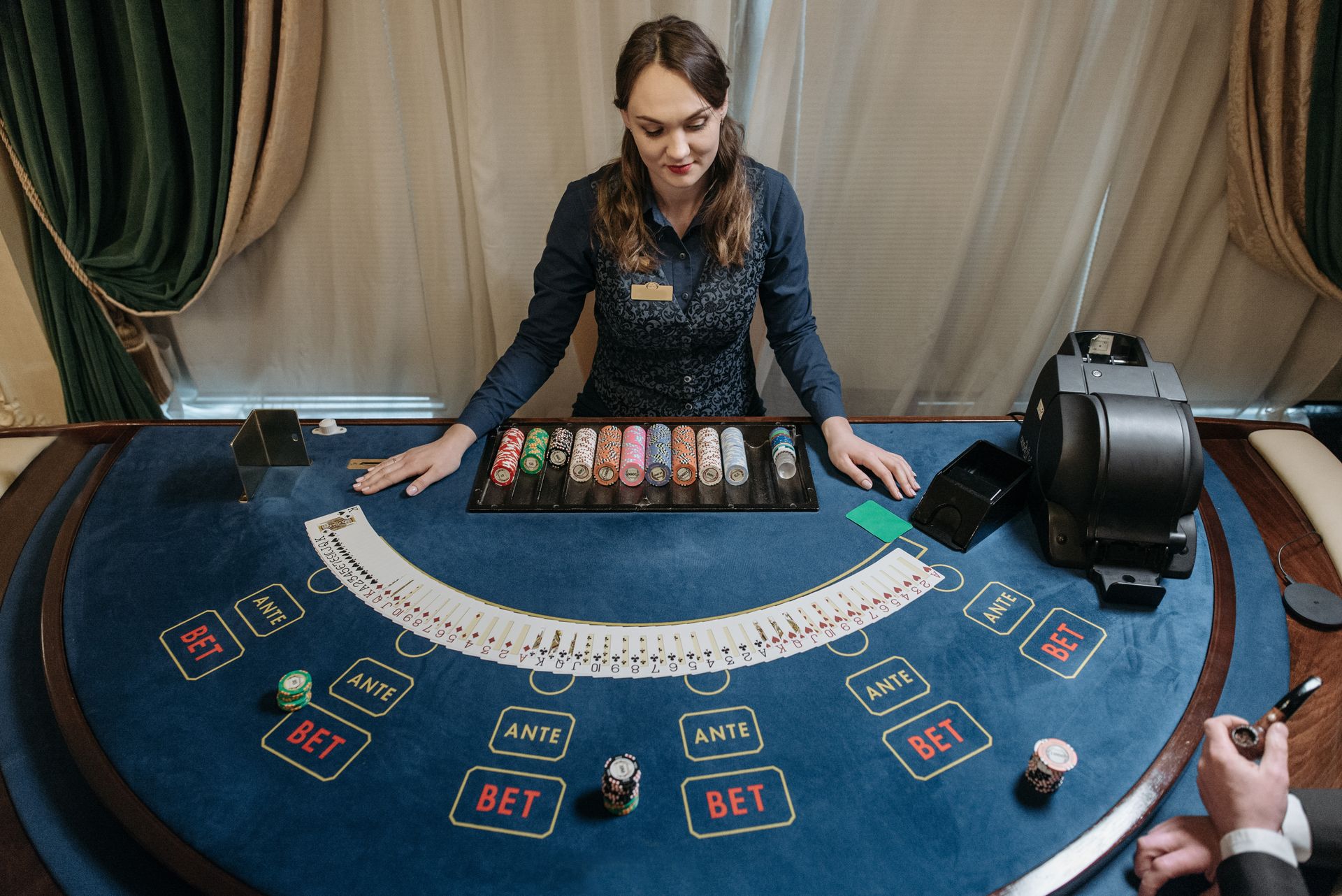
Casino loyalty programs are often marketed as a win-win for players and operators. Members earn points, unlock perks, receive exclusive offers, and sometimes enjoy complimentary meals, hotel stays, or entertainment. On the surface, these programs seem designed purely to reward customers for their loyalty. However, behind the attractive benefits lies a carefully crafted business strategy. Casinos invest heavily in loyalty programs because they generate significant revenue and help build lasting customer relationships. Understanding how these programs work reveals why they have become such an important part of the modern gambling industry.
Encouraging Players to Stay Longer
 One of the primary goals of a loyalty program is to increase the amount of time players spend gambling. When customers know they are earning points with every wager, they often feel motivated to continue playing a little longer. The promise of reaching the next reward tier or unlocking additional benefits creates an extr incentive to stay engaged. This approach is used across both physical and online platforms, and communities discussing gaming trends on sites such as yono777 frequently highlight how rewards can influence player behavior over time.
Creating Repeat Customers
Acquiring new customers is expensive for any business, including casinos. Marketing campaigns, promotions, and advertising efforts require significant investment. Loyalty programs help offset these costs by encouraging existing players to return. When members receive personalized offers, bonus credits, or exclusive invitations, they are more likely to return to the casino rather than explore competing options. Repeat customers often generate far more revenue over the long term than first-time visitors.
Using Data to Improve Marketing
Modern loyalty programs do much more than track points. They also collect valuable information about customer preferences and behavior. Casinos can analyze how often players visit, which games they enjoy, and how much time they spend gambling. This data allows operators to create highly targeted marketing campaigns that are more likely to resonate with individual players. Personalized promotions often achieve better results because they align closely with customer interests and habits.
The Psychology of Rewards
Rewards and recognition strongly influence human behavior. Loyalty programs leverage this by fostering a sense of achievement and progression. Earning points, reaching higher membership tiers, and receiving special benefits can feel rewarding even when the actual monetary value is relatively small. This psychological effect encourages continued participation and strengthens the emotional connection between players and the casino. The feeling of being valued as a customer often plays a significant role in long-term engagement.

VIP Tiers Drive Higher Spending
Many loyalty programs feature multiple membership levels that offer increasingly attractive rewards. Players who reach higher tiers may receive priority service, exclusive events, luxury accommodations, or dedicated account managers. These benefits encourage customers to increase their spending to achieve elite status. For casinos, VIP programs are particularly profitable because a relatively small group of high-value customers often accounts for a substantial share of overall revenue.
Rewards Cost Less Than They Appear
While complimentary meals, hotel rooms, and entertainment packages seem generous, they often cost casinos far less than their advertised value. Casinos can offer these perks using existing facilities and partnerships at a lower cost. In many cases, the additional revenue generated by increased player activity outweighs the cost of the rewards being offered. This makes loyalty programs a highly efficient investment from a business perspective.
Casino loyalty programs are much more than simple reward systems. They are sophisticated marketing tools designed to increase engagement, encourage repeat visits, gather valuable customer data, and boost long-term revenue. By combining psychology, personalization, and attractive incentives, casinos create experiences that keep players coming back. While customers enjoy perks and exclusive benefits, casinos benefit from stronger relationships and increased profitability, making loyalty programs one of the industry’s most effective business strategies.